
Why should Americans care about politics? Well, let me tell you a joke to get us started: Why did the politician quit his job? Because he couldn’t get re-elected! (ba-dum-tss)
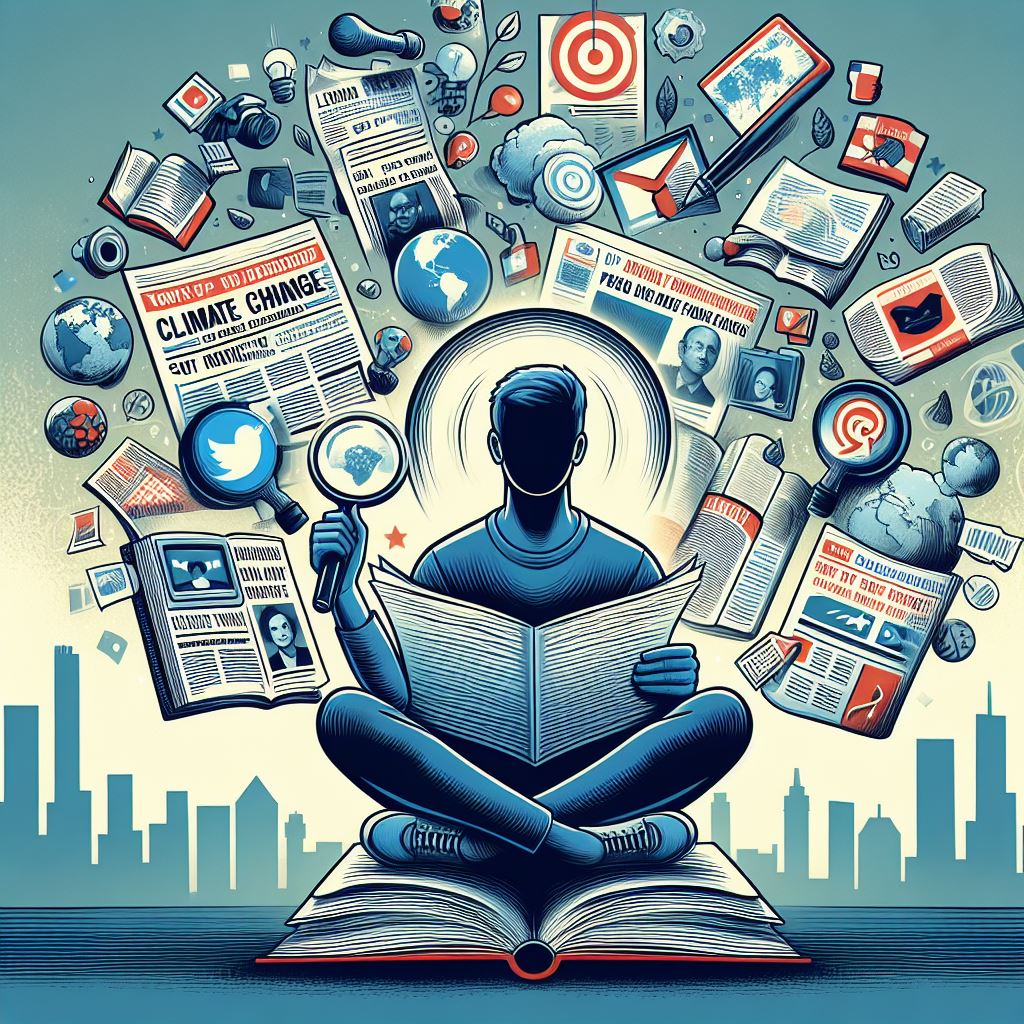
But seriously, being politically aware is an essential skill for every American. Politics affects every aspect of our lives, from education and healthcare to employment and personal freedom. Staying informed about current events and issues can help us make better decisions, hold our leaders accountable, and build a more just society.
**Benefits of Political Awareness**
1. **Informed Decision-Making**: When we’re aware of political issues, we can make informed decisions that align with our values and goals. This is crucial in elections, where we have the power to choose our representatives (Source: Pew Research Center).
2. **Effective Participation**: Politically aware citizens are more likely to participate in the democratic process, whether through voting, protesting, or volunteering for a cause they care about (Source: National Association of Secretaries of State).
3. **Critical Thinking**: Politics requires critical thinking and analysis, which can benefit other areas of life as well, such as academia and personal relationships.
4. **Community Engagement**: When we’re aware of local politics, we can engage with our communities and advocate for policies that benefit everyone (Source: National League of Cities).
5. **Empowerment**: Knowing our rights and responsibilities gives us a sense of empowerment, allowing us to demand change and hold those in power accountable (Source: American Civil Liberties Union).
**The Consequences of Ignorance**
On the other hand, political ignorance can have serious consequences:
1. **Misinformation**: When we’re not informed about issues, we’re more likely to spread misinformation or believe false information, which can harm our communities and society as a whole.
2. **Voter Apathy**: Political apathy leads to low voter turnout, giving a disproportionate voice to those who do participate (Source: United States Census Bureau).
3. **Ineffective Representation**: When we’re not aware of issues, our representatives may not accurately represent our interests or values.
**Conclusion**
Politics is not just a game played by politicians; it’s the framework within which our society operates, shaping the world we live in and the future we’ll inherit. As Americans, our engagement in politics is not only a right but also a responsibility—one that has far-reaching implications for ourselves and future generations.
By staying informed, actively participating, and critically analyzing political issues, we not only empower ourselves but also contribute to the betterment of our communities and society as a whole. Conversely, ignorance and apathy can lead to detrimental consequences, perpetuating misinformation, disenfranchisement, and ineffective governance.
So let’s embrace our role as active citizens, recognizing the significance of politics in our lives and striving to be informed, engaged, and responsible participants in the democratic process. Together, we can shape a future that reflects our values, aspirations, and collective vision for a more just and equitable society.

 Pennsylvania Lightfoot Community Preparedness