
The blog post provided is for informational purposes only. Readers are responsible for conducting their own research into the safety and effectiveness of herbal products as antibiotics or for other medical requirements. It is crucial to refrain from consuming any of the mentioned items if there are known sensitivities or allergies to any of the components.
Use at your own risk
In today’s world, where antibiotic resistance is becoming a growing concern, it’s essential to explore alternative options for fighting infections. Nature has provided us with a plethora of powerful substances that possess antibacterial, antifungal, and antiviral properties. Here are some naturally occurring remedies that can help support our immune system and combat various infections:
Garlic: Known for its potent antimicrobial properties, garlic has been used for centuries to fight infections1234. It contains a compound called allicin, which exhibits antibacterial, antifungal, and antiviral effects1234. Incorporating garlic into your diet or taking garlic supplements may help boost your immune system.
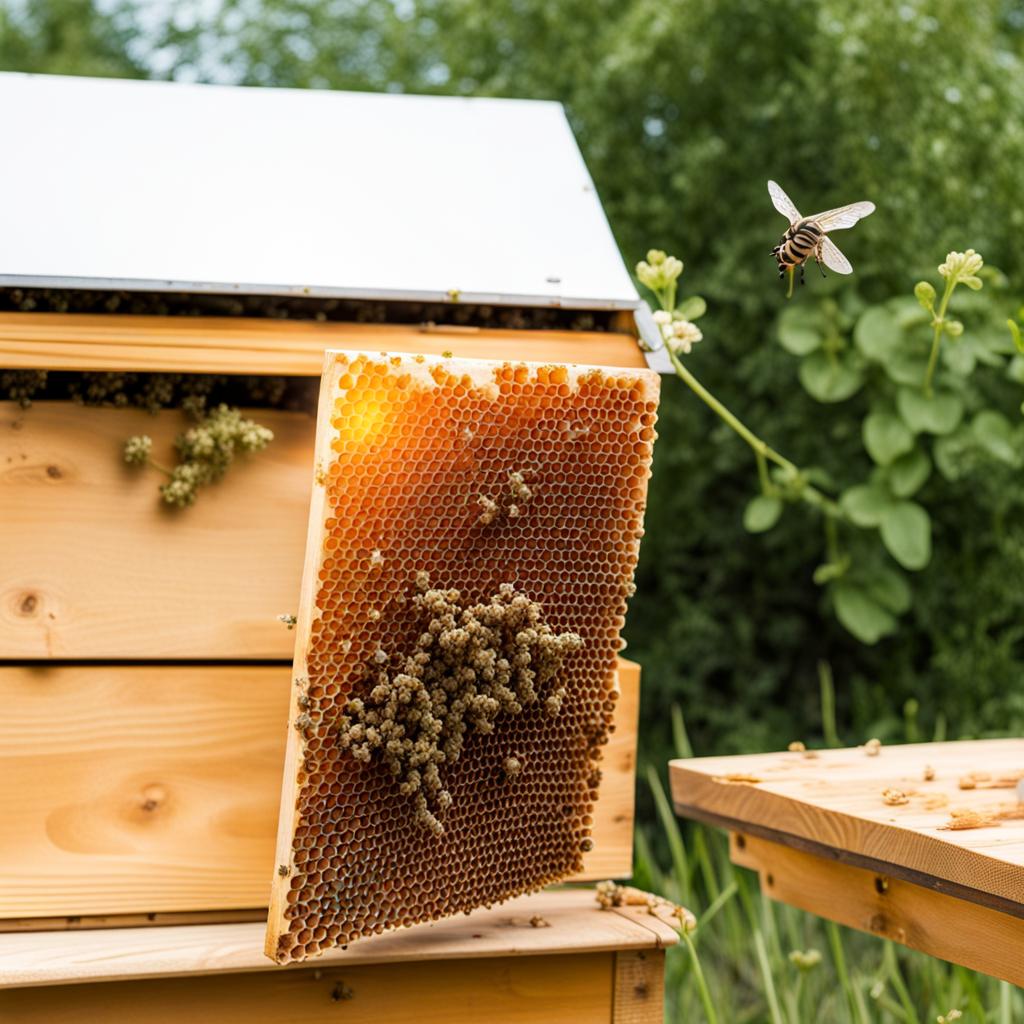
Honey: Not only is honey a delicious natural sweetener, but it also possesses antimicrobial properties56789. Raw honey, in particular, contains enzymes that produce hydrogen peroxide, which can help kill bacteria and fungi56789. It’s important to note that infants under one year old should not consume honey due to the risk of botulism56789.
Tea tree oil: Derived from the leaves of the Melaleuca alternifolia tree, tea tree oil is a powerful antifungal and antibacterial agent10111213. It has been used traditionally to treat skin infections, acne, and even respiratory conditions10111213. However, it should always be diluted before use and should not be ingested10111213.
Echinacea: Widely recognized for its immune-boosting properties, echinacea is a herb that can help fight off viral and bacterial infections141516. It stimulates the production of white blood cells, which are crucial for our body’s defense against pathogens141516. Echinacea supplements or teas can be beneficial during cold and flu season141516.
Oregano oil: Oregano oil contains a compound called carvacrol, which exhibits potent antimicrobial activity1718192021. It has been shown to be effective against various bacteria, fungi, and even some viruses1718192021. However, it’s important to use oregano oil cautiously and follow the recommended dosage, as it can be strong and may cause irritation if not properly diluted1718192021.
While these natural alternatives can be effective, it’s crucial to consult with a healthcare professional before using them, especially if you have underlying health conditions or are taking medications. Remember, natural remedies should complement, not replace, conventional medical treatments.
Let’s embrace the power of nature and explore these natural alternatives to support our health and well-being. However, it’s important to note that these natural remedies may not be suitable for all infections or individuals. In some cases, conventional antibiotics, antifungals, or antivirals may be necessary for effective treatment.
Additionally, it’s crucial to maintain good hygiene practices, such as regular handwashing, proper food handling, and avoiding close contact with sick individuals, to prevent the spread of infections.
Always remember that prevention is key. A healthy lifestyle, including a balanced diet, regular exercise, adequate sleep, and stress management, can significantly strengthen your immune system and reduce the risk of infections.
While natural alternatives can be a valuable addition to our healthcare toolkit, it’s essential to approach them with caution and seek professional advice when needed. Let’s stay informed, make responsible choices, and prioritize our health and the well-being of those around us.

 Pennsylvania Lightfoot Community Preparedness