
In today’s world, the importance of emergency preparedness can’t be overstated. Whether it’s a sudden blizzard on your way home from school or a power outage at your house, being ready for the unexpected can make a significant difference in your safety and well-being. While having a disaster plan and learning essential skills are crucial, two key factors often overlooked are equipping your vehicle and yourself with the right tools and information.
Gearing Up Your Mobile Lifeline: The Vehicle Emergency Kit
Think of your vehicle as an extension of your personal preparedness plan. Having a well-stocked emergency kit on board can turn it into a valuable lifeline during unforeseen situations. Here are some essential items to consider:
Escape and Survival Tools:
Ax: This might seem like an unusual addition, but an ax can be invaluable for breaking windows, clearing debris, or even building basic shelter in extreme situations.
Gloves: Sturdy gloves protect your hands from cuts, abrasions, and chemicals while handling tools or debris.
Flashlight with extra batteries: Light is crucial in emergencies, whether navigating in the dark or signaling for help. Pack backup batteries to ensure continuous use.
Health and Well being:
First-aid kit: Be prepared to handle minor injuries with bandages, antiseptic wipes, pain relievers, and any needed prescription medications.
Emergency blanket or small tent: These provide much-needed shelter from harsh weather or unforeseen circumstances.
Water and non-perishable food: Pack enough water and energy bars or canned goods to sustain you for at least 24 hours, potentially longer depending on the situation.
Communication and Navigation:
Fully charged cell phone and portable charger: Stay connected with emergency services and loved ones. A portable charger ensures your phone stays operational.
Whistle: This simple tool can be a lifesaver for attracting attention when your phone is out of reach.

Compass and map of your local area: Relying on technology isn’t always dependable. Learn to navigate using traditional tools, especially in low-signal areas.
Beyond the Vehicle: The Get Home Bag and Maps, Your Personal Guides
Remember, emergencies don’t always confine you to your vehicle. A well-equipped Get Home Bag becomes your personal companion when navigating on foot. Consider these additions:

Additional food and water: Pack more sustenance beyond the vehicle kit to ensure you have enough for longer journeys or unexpected delays.
Extra clothing and sturdy footwear: Be prepared for changes in weather conditions and rough terrain.
Sleeping bag or blankets: Whether it’s finding temporary shelter or staying warm until help arrives, these items provide crucial comfort.
Now, let’s talk maps! They may seem old-fashioned in this digital age, but they can be invaluable life-saving tools:
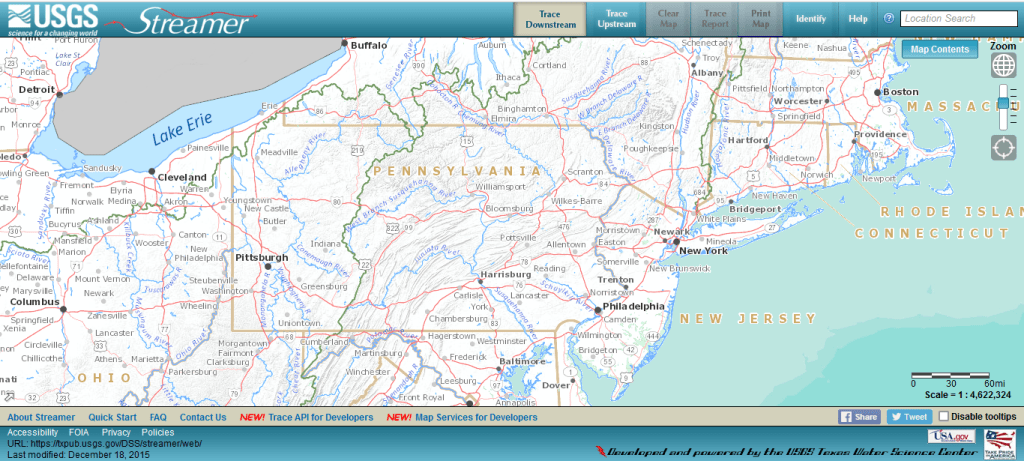
Streamer Maps (USGS): These detailed maps of creeks and rivers help identify potential water sources along your route, especially crucial in arid environments. It is found here: https://txpub.usgs.gov/DSS/streamer/web/
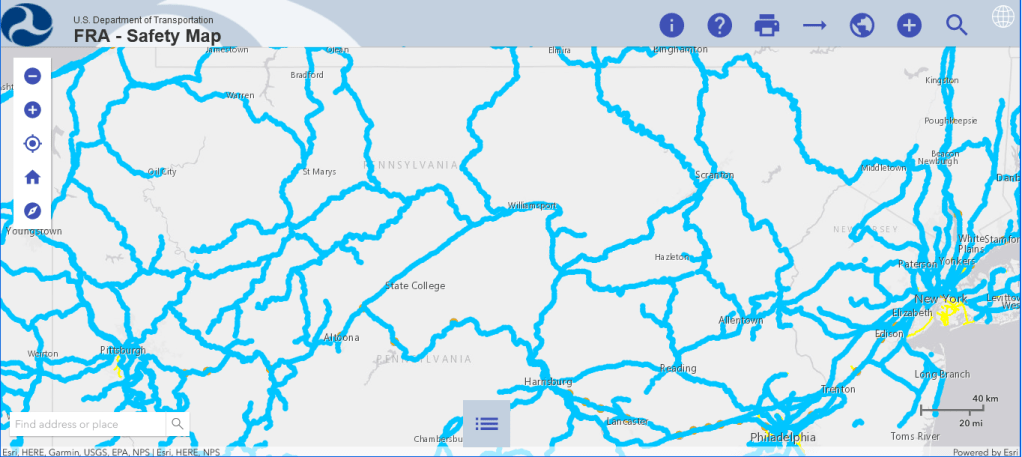
Federal Railroad Administration Map: Railroad tracks often become alternate routes in emergencies due to their clear paths and consistent infrastructure. This interactive map helps you locate nearby tracks and plan your route accordingly. It can be found at https://fragis.fra.dot.gov/GISFRASafety/
Bug Out Bag: When Home Isn’t an Option
While the focus is on Get Home Bags, it’s important to be aware of Bug Out Bags for situations where leaving the immediate area is necessary. Remember, these are designed for longer-term survival:
Additional food and water supplies: Plan for several days or even weeks, depending on your environment and potential evacuation routes.
Extra clothing and sturdy footwear: Durability and adaptability are key for extended travel and changing weather conditions.
Multi-tool and basic tools: Having the ability to perform minor repairs and adaptations can be crucial in challenging situations.
Fire-starting materials: Being able to build a fire provides warmth, cooking options, and signaling capabilities.
Personal hygiene items: Staying clean and sanitized is essential for both physical and mental wellbeing in prolonged emergencies.
Cash and important documents: Ensure financial access and keep vital documents secure and easily accessible.
Emergency radio or communication device: Stay informed and connected with emergency services when traditional channels are disrupted.
Personal defense items (if legally allowed and appropriate): Prepare for potential threats while maintaining awareness of local laws and regulations.
Remember: The specific contents of your emergency kit and bug out bag will vary depending on your location, climate, and individual needs. Regularly review and update your supplies to ensure everything is in working order and relevant to your potential risk factors.
Empowering Yourself for the Unexpected
By being prepared with the right equipment and knowledge, you’re empowered to handle unexpected situations calmly and effectively.


 Pennsylvania Lightfoot Community Preparedness
You must be logged in to post a comment.