
The flickering lights, the eerie silence of unpowered devices, the sudden disappearance of running water – these are the chilling hallmarks of a large-scale cyberattack crippling critical infrastructure. In such a scenario, where even basic sanitation systems can be knocked offline, one crucial need rises to the forefront: waste management.
Without functional sewers, the question becomes: how do we handle our human waste in a safe, sanitary, and sustainable manner? The answer lies in an age-old practice reborn for the modern age: composting.
This blog post serves as your comprehensive guide to composting your own solid waste during a cyberattack-induced crisis. We’ll delve into the essentials, from building your own composting toilet to managing the process effectively, ensuring you navigate this challenging situation with resilience and resourcefulness.
Before We Begin: A Word of Caution
Composting human waste requires careful attention to safety and hygiene. Improperly managed compost can harbor harmful pathogens and attract pests. Therefore, it’s essential to follow best practices and prioritize sanitation throughout the process.
Gathering Your Supplies
Here’s a basic parts list for setting up your DIY composting toilet and managing waste effectively:
- Composting Toilet:
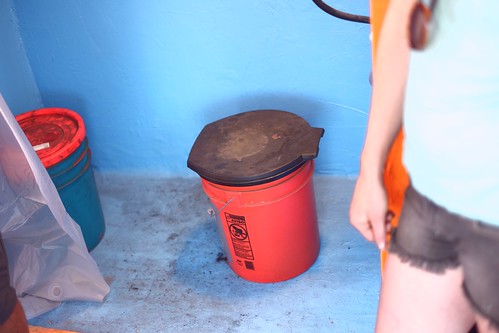
- Bucket with a tight-fitting lid: A 5-gallon bucket or similar container will suffice.
- Toilet seat with lid: You can improvise with a sturdy piece of wood with a hole cut in the center.
- Bedding material: Carbon-rich materials like wood shavings, sawdust, or shredded paper will help absorb moisture and prevent odors.
- Bulking material: Nitrogen-rich materials like straw, leaves, or green waste will balance the compost mix and aid decomposition.
- Lime or ash: These act as natural disinfectants and help control pathogens.
- Waste Management:
- Poop scoop or shovel: For transferring waste to the compost pile.
- Pitchfork or rake: For turning and aerating the compost pile.
- Heavy-duty gloves and mask: Essential for protecting yourself during waste handling.
- Biodegradable bags or container: For temporary storage of compostable materials before adding them to the pile.
Building Your DIY Composting Toilet
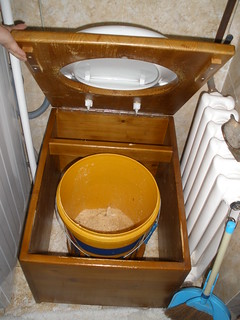
- Drill ventilation holes: Create small holes near the top and bottom of the bucket to allow for airflow and prevent moisture buildup.
- Attach the toilet seat: Secure the seat to the bucket lid using sturdy screws or bolts. Ensure a snug fit to prevent leaks and spills.
- Line the bucket: Cover the bottom of the bucket with a layer of bulking material (straw, leaves) about 4-6 inches deep.
Using Your DIY Composting Toilet
- Separate liquid waste: If possible, urinate separately into a designated container to reduce moisture in the compost pile. This liquid waste can be disposed of on designated soakaways or used for non-potable purposes like plant irrigation (after proper dilution and treatment).
- Use the toilet: After each use, sprinkle a generous amount of lime or ash over the waste to control pathogens and odors.
- Add bedding material: After using the toilet, cover the waste with a layer of bedding material (wood shavings, sawdust) to absorb moisture and prevent odors.
Managing the Compost Pile
- Location: Choose a well-ventilated, sunny spot away from your living quarters and water sources. Mark the pile clearly to avoid accidental contact.
- Pile construction: Layer waste and bulking materials in alternating layers, maintaining a moisture content similar to a damp sponge. Aim for a 3:1 ratio of browns (bulking materials) to greens (waste).
- Turning and aeration: Regularly turn the compost pile with a pitchfork or rake to incorporate oxygen and accelerate decomposition. Aim for turning the pile every 3-5 days.
- Monitoring: Observe the pile for signs of proper decomposition, such as reduced volume, dark brown color, and earthy smell. The composting process usually takes several months, depending on factors like temperature and moisture levels.
Additional Tips for Safe and Effective Composting:
- Maintain hygiene: Wash your hands thoroughly after handling waste and wear gloves and a mask during the process.
- Manage pests: Flies and other insects may be attracted to the compost pile. Use netting or a tight-fitting lid to deter them.
- Community composting: Consider collaborating with neighbors to establish a larger, shared composting facility. This can improve efficiency and resource sharing.
- Seek expert advice: Consult with local sanitation authorities or composting experts for specific guidelines and regulations in your area.
Remember: Composting human waste during a crisis requires careful planning, responsible management, and strict adherence to hygiene practices.

 Pennsylvania Lightfoot Community Preparedness
You must be logged in to post a comment.