
In a world characterized by uncertainty, it is essential to acknowledge the inevitability of adverse events such as bad weather or power outages. These disruptions can significantly impact our lives, causing inconvenience, discomfort, and even danger. Therefore, it becomes imperative to prepare ourselves adequately to mitigate the potential consequences of such events. This article will delve into the need for preparedness and outline practical steps to effectively prepare for these inevitable disruptions.
I. The Need for Preparedness
A. Ensuring Safety and Security
In the face of bad weather or power outages, preparedness plays a crucial role in ensuring the safety and security of individuals and communities. By anticipating potential risks and taking proactive measures, we can minimize the likelihood of accidents, injuries, or even fatalities. Preparedness empowers us to respond swiftly and effectively, reducing vulnerability and enhancing overall safety.
B. Minimizing Disruption and Inconvenience
Adverse weather conditions or power outages can disrupt our daily routines, causing inconvenience and hindering productivity. By preparing for such events, we can minimize the disruption they cause. Having contingency plans in place, such as alternative power sources or emergency supplies, enables us to navigate these disruptions with greater ease and minimal interruption to our lives.
C. Building Resilience
Preparedness fosters resilience, allowing individuals and communities to bounce back swiftly from adverse events. By investing time and effort in preparing for inevitable disruptions, we cultivate a mindset of adaptability and resourcefulness. This resilience not only helps us overcome immediate challenges but also equips us to face future uncertainties with confidence and composure.
II. Steps to Prepare for Inevitable Disruptions
A. Developing an Emergency Plan
Creating a comprehensive emergency plan is the foundation of preparedness. This plan should include identifying potential risks, establishing communication channels, and designating meeting points or safe areas. By involving all members of the household or community in the planning process, we ensure that everyone is aware of their roles and responsibilities during adverse events.
B. Stocking Essential Supplies
Maintaining an adequate supply of essential items is crucial during bad weather or power outages. These supplies may include non-perishable food, clean water, batteries, flashlights, first aid kits, and necessary medications. Regularly reviewing and replenishing these supplies ensures that we are well-equipped to sustain ourselves during extended periods of disruption.
C. Securing Alternative Power Sources
Power outages can severely impact our daily lives, rendering us without electricity for extended periods. To mitigate the inconvenience caused by such events, it is essential to secure alternative power sources. Investing in backup generators, solar panels, or portable power banks can provide a reliable source of electricity during outages, enabling us to power essential devices and maintain a semblance of normalcy.
D. Staying Informed
Remaining informed about weather forecasts, potential hazards, and updates from local authorities is crucial for effective preparedness. Utilizing various communication channels such as weather apps, emergency alert systems, or community networks can help us stay informed and make informed decisions. Regularly monitoring these sources of information allows us to anticipate and respond to adverse events promptly.
E. Practicing Safety Measures
Preparing for inevitable disruptions also involves practicing safety measures to minimize risks. This includes securing loose objects, trimming trees near power lines, reinforcing windows and doors, and familiarizing ourselves with evacuation routes. Conducting regular drills and simulations can help ensure that everyone knows how to respond in emergency situations, enhancing overall safety and preparedness.
In a world where adverse events such as bad weather or power outages are inevitable, preparedness becomes a necessity rather than a choice. By recognizing the need for preparedness, we can prioritize safety, minimize disruption, and build resilience in the face of adversity. Through steps such as developing emergency plans, stocking essential supplies, securing alternative power sources, staying informed, and practicing safety measures, we can effectively prepare ourselves for these inevitable disruptions. By doing so, we empower ourselves to navigate through challenging times with confidence, ensuring the well-being and security of ourselves and our communities.
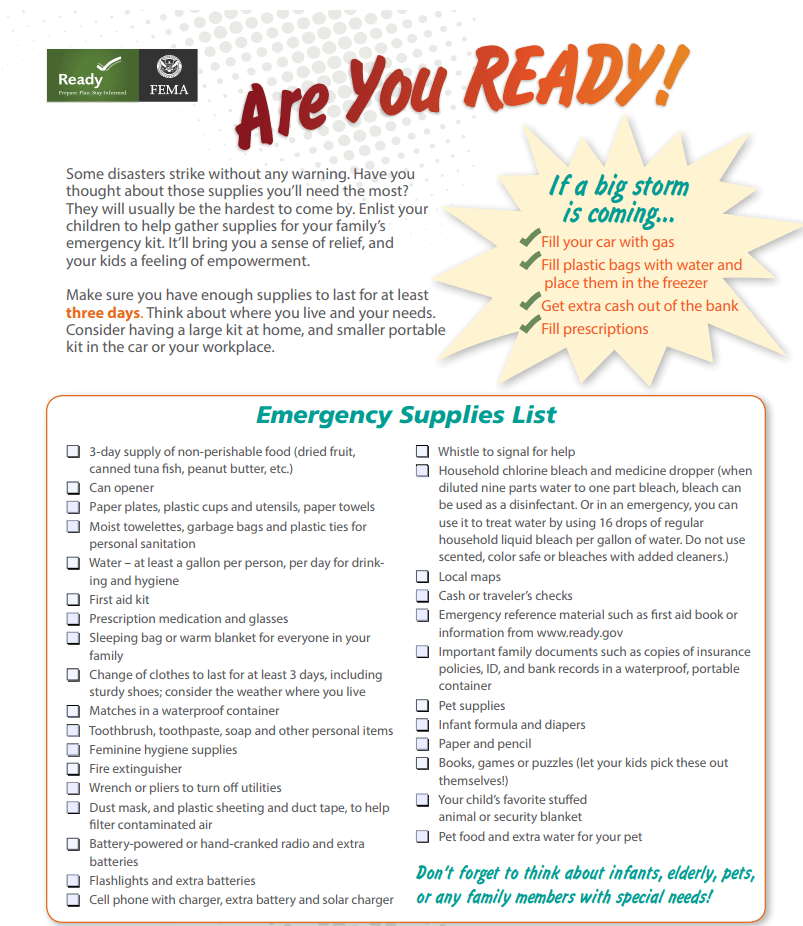

 Pennsylvania Lightfoot Community Preparedness
You must be logged in to post a comment.